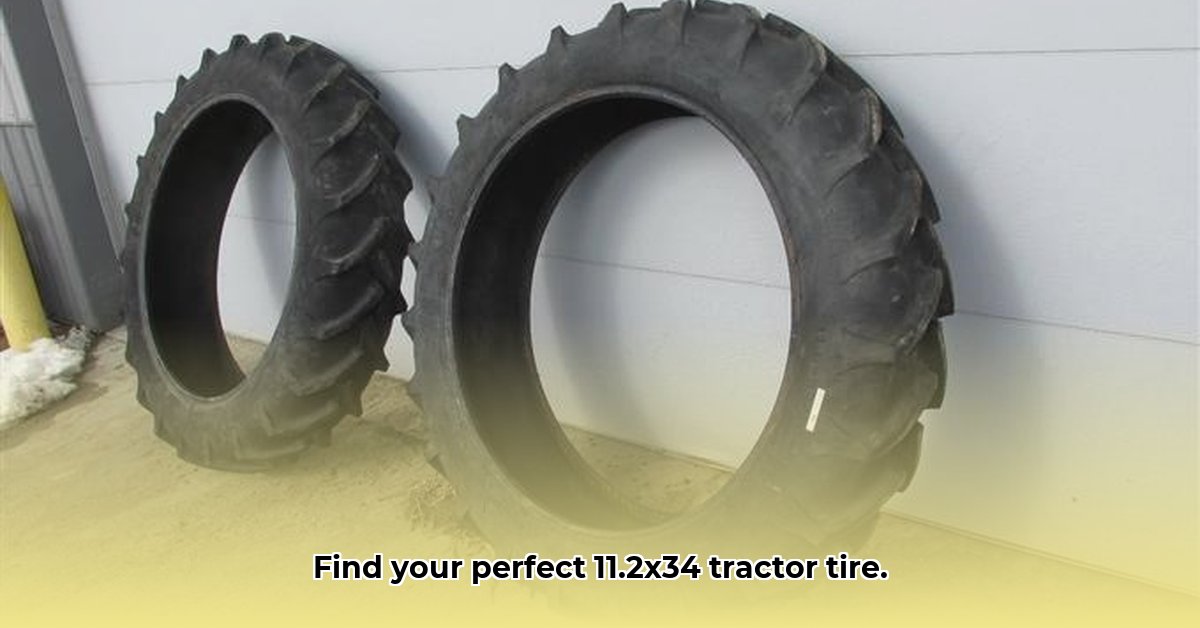
Finding the right 11.2x34 tractor tire can seem daunting, but this comprehensive guide simplifies the process. Whether you're restoring a classic tractor or need a replacement for your working machine, we'll cover everything from understanding tire specifications to minimizing costs and ensuring longevity. For more tire size options, check out this helpful resource: Tire Size Guide.
Decoding the 11.2x34 Tire Size
The numbers "11.2x34" precisely define the tire's dimensions. The "11.2" indicates the tire's width in inches, while "34" represents its diameter, also in inches. This standard size is common in older tractors, making it a sought-after but sometimes challenging size to source. Understanding these numbers is your first step to success.
Most 11.2x34 tires are "tube-type" (requiring an inner tube), a crucial detail for budgeting and ordering. The typical tread pattern—a 45° lug design—offers excellent self-cleaning and grip, especially in muddy conditions. This angled tread is often preferred for superior traction. Aren't these features vital for efficient farming?
Sourcing Your 11.2x34 Tractor Tire: Expanding Your Search
Locating this specific tire size might require exploring multiple avenues. Let's break down the most effective search strategies:
Online Marketplaces: Start with major online marketplaces (such as eBay). Carefully examine listings for signs of wear and tear. Always scrutinize images and descriptions thoroughly. Remember, buying used tires requires extra vigilance, akin to purchasing a used vehicle.
Specialized Agricultural Suppliers: Websites specializing in agricultural parts and equipment are excellent resources. Many cater to classic tractor owners, increasing the likelihood of finding this particular size.
Local Retailers: While less likely to stock these tires, local agricultural supply stores or co-ops might be able to order them for you or point you toward reliable suppliers. Calling ahead before visiting can help you avoid wasted trips.
Evaluating and Choosing the Right Tire: Prioritizing Quality
Selecting a tire is about more than just finding a match; you need a tire that meets your specific requirements and offers long-term value.
Tire Condition: Crucial factors include the tire’s age and remaining tread depth. These directly impact performance, lifespan, and safety. A deeper tread signifies longer life and improved traction.
Retreaded Tires: These can be a cost-effective option, but they might not last as long as brand-new tires. Consider the trade-off between cost savings and potential longevity.
Brand Reputation: Established brands often prioritize quality and durability, making the initial investment worthwhile in the long run. How important is brand reputation to your purchasing decisions?
Maintaining Your 11.2x34 Tractor Tires: Maximizing Lifespan
Regular maintenance prolongs tire life and ensures your tractor performs optimally. This involves a simple yet effective routine:
Monthly Inspection: Check for cuts, bulges, embedded objects, or unusual wear patterns. Early detection prevents minor issues from escalating into major problems.
Correct Tire Pressure: Always maintain the recommended pressure found in your tractor's owner's manual. Correct inflation is vital for performance, fuel efficiency, and tire life. What's the recommended inflation pressure for your tractor?
Tire Rotation: Periodic rotation ensures even wear on all tires, preventing premature wear and tear.
Safe Storage: If storing the tires, protect them from direct sunlight, chemicals, extreme temperatures, and moisture.
Weighing the Pros and Cons: A Balanced View
Let's summarize the advantages and disadvantages of 11.2x34 tractor tires:
| Pros | Cons |
|---|---|
| Suitable for older tractors | May be more expensive than newer sizes |
| 45° lug tread offers strong traction | Requires a new inner tube (additional cost) |
| Relatively easy to locate (with effort) | Supply can be inconsistent |
Finding Affordable 11.2x34 Tractor Tires: Cost-Saving Strategies
The demand for 11.2x34 tires is specialized, but that doesn't mean you can't find affordable options. Here's how:
Comparison Shopping: Actively compare prices and features across multiple online and local suppliers.
Bulk Purchasing: If you need more than one tire, buying in bulk might result in discounts.
Negotiation: Don't shy away from negotiating prices, especially with individual sellers or smaller businesses.
Pre-owned Tires (with caution): Used tires can be economical, but a thorough inspection is mandatory. Look for significant wear, cracks, or any other compromises to its structural integrity.
Remember, the cheapest option isn't always the best long-term choice; prioritize a durable, well-maintained tire to avoid replacement costs sooner than anticipated. Choosing quality saves money in the long run. How do you balance cost with quality when making large equipment purchases?